All services Excavation Demolition Sewer systems Land clearing Foundations Property development Mulching Landscaping
How we work Service area Contact 250 643 2805
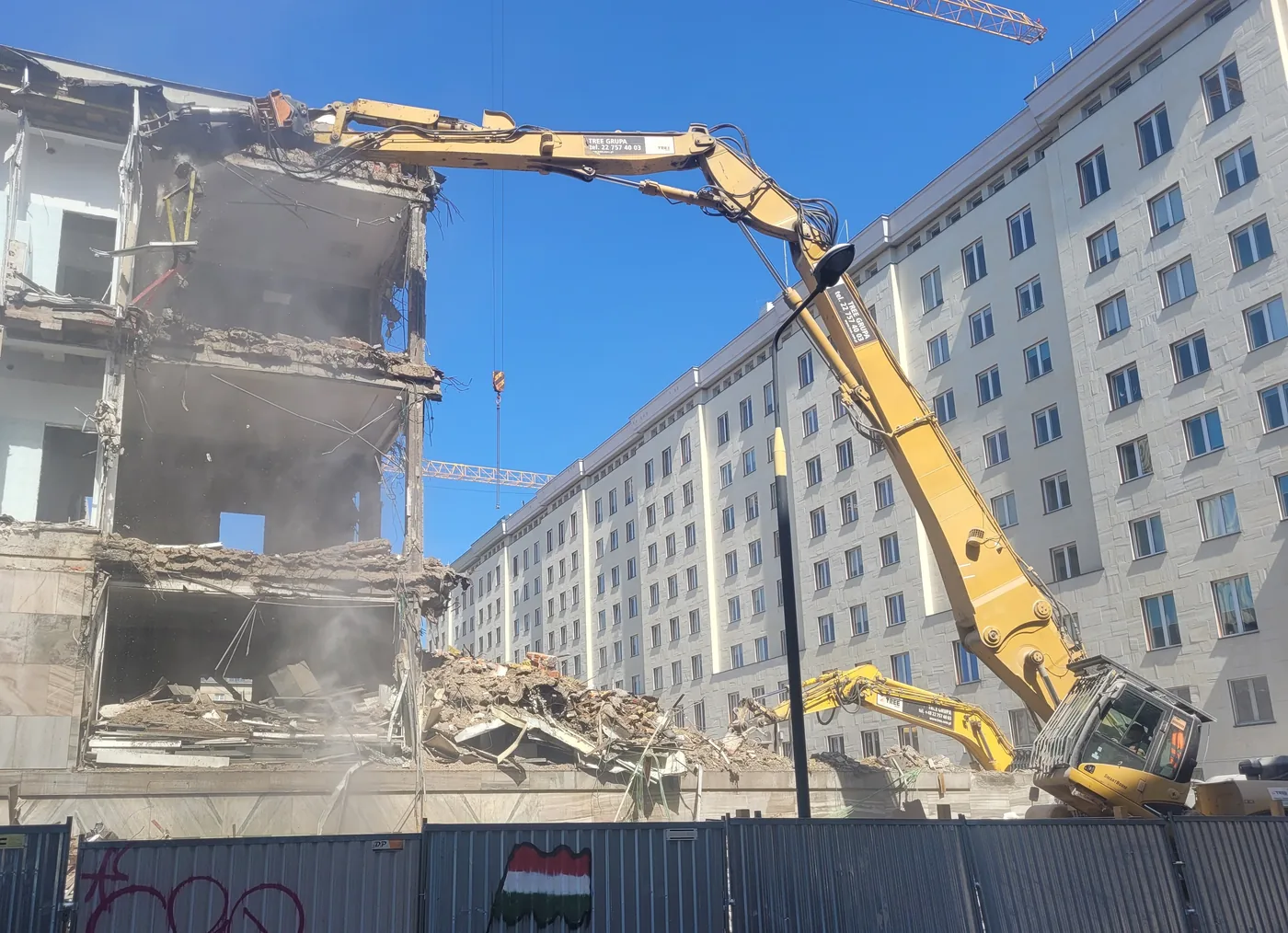
High reach demolition excavator taking down a concrete structure

Demolition

Structures down, debris out, site left flat and ready. Residential tear-downs through to commercial structural work.

Yard

5423 Morris Road, Telkwa, BC V0J 2X3

Hours

Seven days, 7:00am to 6:00pm

Request a quote

Prefer to talk it through? Call 250 643 2805, seven days, 7:00am to 6:00pm.

We'll get back to you shortly.

Demolition across the Bulkley Valley

Taking a building down is the easy half. The part that decides whether a demolition job goes well is what happens before the machine arrives and what the site looks like after the last load leaves.

We handle both ends. Ultra Excavating takes down houses, cabins, shops, outbuildings and commercial structures across Telkwa, Smithers, Houston and the rest of the valley, hauls the debris out, and leaves you ground you can actually build on.

What comes down

  • House and cabin tear-downs
  • Garage, shop and outbuilding removal
  • Commercial and structural demolition
  • Concrete foundation and slab breakout
  • Fire and flood damaged structures
  • Mobile home removal and site cleanup
  • Deck, fence and derelict structure clearing
  • Debris sorting, loading and haul off
  • Backfill and grade once the structure is gone

Before anything gets touched

Services get disconnected and capped by the right people first, and locates are called on anything running underground. Skipping that step is how a demolition job turns into a gas line incident.

Older buildings need a hazardous material assessment before demolition, and if asbestos or other regulated material is present, abatement happens first through a qualified abatement contractor. We work to their clearance rather than around it. If you are not sure where your building sits on that, tell us the age and we will walk you through what the sequence looks like.

Left ready for what is next

A demolition job is not finished when the walls come down. Foundations and slabs usually have to come out too, the hole has to be backfilled with material that will not settle, and the site has to be graded so water runs off it.

Most of our demolition work is the first phase of something else, a rebuild, a new shop, a cleared lot for sale. We grade with that next step in mind, so the crew that follows us is not paying to redo our ground.
Where we work

Taking structures down, town by town

What a teardown costs has less to do with the building than with the lot it sits on, how far the debris has to travel and what has to happen before the machine is allowed to touch it.

Telkwa

The old townsite carries early 1900s building stock, which is squarely the age bracket where a hazardous material assessment is a requirement rather than a precaution. Those lots are also small and close together, so debris gets loaded as it comes down instead of being pushed into a pile and sorted later. The short haul from Telkwa is the one thing working in your favour on a job like that, because truck trips are a real line on a demolition invoice.

Smithers

Two quite different jobs share one town here. In town there are older houses and commercial buildings on established streets, where dust control, traffic around the truck and a footprint measured in feet are the constraints. Out on the acreages it is shops, barns and outbuildings with room to work. Either way the power, gas, water and sewer disconnects go through the town and the utility before a bucket is raised, and on the commercial side that sequencing is usually the longest part of the schedule.

Houston

Rural acreage work, mostly: outbuildings, barns, derelict mobiles and the occasional fire damaged structure. The advantage out here is space. Debris can be sorted on site rather than hauled mixed, which cuts truck trips substantially, and there is room to set a pile well clear of anything still standing. Because it is a full mobilization from the yard, we would rather take a whole property down in one push than come back for the second building.

Also working Witset, Quick, Hazelton and Round Lake, and the rest of the valley in between. If your property is somewhere not on this list, call and ask, the answer is usually yes.

Common questions

Demolition questions

Do I need a permit to demolish a building?

Usually yes, and which authority issues it depends on whether the property is inside a municipality or in the regional district. Tell us the address and the age of the building when you call and we will walk you through what the sequence looks like for your job.

What happens if there is asbestos in the building?

Older buildings need a hazardous material assessment before demolition, and where regulated material is found, abatement is carried out by a qualified abatement contractor before we touch the structure. We work to their clearance rather than around it. We do not hold an abatement ticket and we do not pretend otherwise.

Do services have to be disconnected first?

Yes, and by the right people. Power, gas, water and sewer are disconnected and capped before demolition starts, and locates are called on anything running underground. Skipping that step is how a demolition job becomes a gas line incident.

Does the foundation come out as well?

It can, and on most jobs it should. Concrete foundations and slabs left in the ground limit what can be built there later, so they get broken out, the concrete hauled, and the hole backfilled with material that will not settle.

How is the site left when you are finished?

Backfilled and graded so water runs off it. Most of our demolition work is the first phase of something else, a rebuild or a lot going up for sale, so we grade with that next step in mind rather than leaving the following crew to redo our ground.